



IWANN 2025
A Coruña, Spain
JUNE 16-18, 2025
Latest news
| June 16th, 2025 | Download material for the tutorial |
| June 15th, 2025 | Information on social events |
| June 14th, 2025 | Register NOW your candidacy to the Early Career Awards sponsored by PeerJ |
| June 12th, 2025 | Book of abstracts (with ISBN) |
| June 3rd, 2025 | Final program |
| May 27th, 2025 | Preliminary program revised |
| May 21st, 2025 | Check the preliminary program!! |
| April 9th, 2025 | Early Career Awards sponsored by PeerJ |
| Extended deadlne: New date for submission is April 11! | |
| December 12th, 2024 | Journal Special Issue for ITOMAD Special Session |
| November 28th, 2024 | Plenary Speaker: Barbara Hammer |
| October 14th, 2024 | Plenary Speaker: Gustavo Deco |
| October 8th, 2024 | Nobel Prize to John Hopfield and Geoffrey Hinton |
| October 1st, 2024 | Call for Special Session Proposals |
| September 27th, 2024 | Tutorial announcement: AI and Digital Twins in Healthcare |
| August 31st, 2024 | First Call for Papers Important dates |
Program
- Final Program
- Book of Abstracts (with ISBN)
- Special Sessions

Invited Plenary Speakers
 | 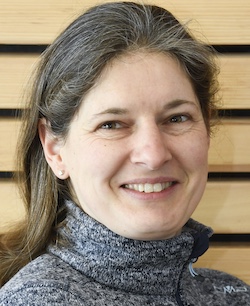 |  |
| Gustavo Deco | Barbara Hammer | Julià Camps |
| The Thermodynamics of Mind | Harnessing the power of deep surrogate models | AI and Digital Twins in Healthcare |
The Thermodynamics of Mind
Gustavo Deco
Institució Catalana de Recerca i Estudis Avançats / Pompeu Fabra University
Abstract
Finding precise signatures of different brain states is a central, unsolved question in neuroscience. The difference in brain state can be described as differences in the detailed causal interactions found in the underlying intrinsic brain dynamics. We use a thermodynamics framework to quantify the breaking of the detailed balance captured by the level of asymmetry in temporal processing, i.e. the arrow of time. We also formulate a novel whole-brain model paradigm allowing us to derive the generative underlying mechanisms for changing the arrow of time between brain regions in different conditions. We found precise, distinguishing signatures in terms of the reversibility and hierarchy of large-scale dynamics in three radically different brain states (cognition, rest, deep sleep and anaesthesia) in fMRI and electrocorticography data from human and non-human primates. Overall, this provides signatures of the breaking of detailed balance in different brain states, reflecting different levels of computation.
Speaker
Dr. Gustavo Deco is Research Professor at the Institució Catalana de Recerca i Estudis Avançats (ICREA) and Professor (Catedrático) at the Pompeu Fabra University (UPF) where he leads the Computational Neuroscience group. He was also Director of the Center of Brain and Cognition from 2001 to 2021 (UPF). In 1987 he received his PhD in Physics for his thesis on Relativistic Atomic Collisions. In 1987, he was a postdoc at the University of Bordeaux in France. From 1988 to 1990, he obtained a postdoc of the Alexander von Humboldt Foundation at the University of Giessen in Germany. From 1990 to 2003, he leads the Computational Neuroscience Group at Siemens Corporate Research Center in Munich, Germany. He obtained in 1997 his Habilitation (maximal academical degree in Germany) in Computer Science (Dr. rer. nat. habil.) at the Technical University of Munich for his thesis on Neural Learning. In 2001, he received his PhD in Psychology at the Ludwig-Maximilians-University of Munich. In 2012, he received an ERC Advanced Grant and recently in 2022 he received an ERC Synergy Grant.
Perceptions, memories, emotions, and everything that makes us human, demand the flexible integration of information represented and computed in a distributed manner. Normal brain functions require the integration of functionally specialized but widely distributed brain areas. The main aim of Gustavo Deco’s research is to elucidate precisely the computational principles underlying higher brain functions and their breakdown in brain diseases, allowing us to comprehend the mechanisms underlying brain functions by complementing structural and activation based analyses with dynamics. He integrates different levels of experimental investigation in cognitive neuroscience (from the operation of single neurons and neuroanatomy, neurophysiology, neuroimaging and neuropsychology to behaviour) via a unifying theoretical framework that captures the neural dynamics inherent in the computation of cognitive processes.
Harnessing the power of deep surrogate models
Barbara Hammer
Research Institute for Cognitive Interaction Technology (CITEC), Bielefeld University
Abstract
Recent advances in deep learning carry the promise to substitute computationally costly simulations or partially unobservable dynamics by deep surrogate models which are trained on example data. Since the resulting deep model is typically fast to evaluate, it is given as an explicit analytic function, and it generalizes beyond the observed training signals, deep surrogates carry diverse promises depending on the specific scenario and downstream task: They allow for a fast approximation of complex dynamic behavior; they enable real-world state inference given partial information; they support efficient system optimization based on gradient information. On the downside, deep surrogates face possibly time-consuming training of deep models; further, the provision of training data might be computationally complex, possibly infeasible, as it is typically based simulations itself.
In the talk, I will focus on opportunities and challenges of surrogate models for a technical application, namely hydraulic simulation of water distribution systems. I will demonstrate the power of graph neural networks to learn simulations of the dynamics such that inference based on limited information becomes possible. I will have a look at how to avoid the computational challenge of huge simulations to provide training data by means of physics-informed methods, which substitute training observation by laws of physics. Further, I will have a glimpse at specific downstream tasks, which become possible based on the surrogate.
Speaker
Dr. Barbara Hammer chairs the Machine Learning research group at the Research Institute for Cognitive Interaction Technology (CITEC) at Bielefeld University. After completing her doctorate at the University of Osnabrück in 1999, she was Professor of Theoretical Computer Science at Clausthal University of Technology and a visiting researcher in Bangalore, Paris, Padua and Pisa. Her areas of specialisation include trustworthy AI, lifelong machine learning, and the combination of symbolic and sub-symbolic representations. She is PI in the ERC Synergy Grant WaterFutures and in the DFG Transregio Contructing Explainability. Barbara Hammer has been active at IEEE CIS as member of chair of the Data Mining Technical committee and the Neural Networks Technical Committee. She has been elected as a review board member for Machine Learning of the German Research Foundation in 2024 and she represents computer science as a member of the selection committee for fellowships of the Alexander von Humboldt Foundation. She is member of the Scientific Directorate Schloss Dagstuhl. Further, she has been selected as member of Academia Europaea.
AI and Digital Twins in Healthcare: Synergies of Physics-informed Models and Machine Learning for Precision Medicine
Julià Camps
University of Oxford
Part 1: Plenary talk
Part 2: Practical tutorial
You are invited to download in advance the material for the practical tutorial: notebook
Abstract
This tutorial explores the powerful intersection of artificial intelligence (AI) and digital twins, focusing on revolutionising healthcare applications. Participants will examine the key differences between biological digital twins and traditional industrial models, addressing the unique challenges of healthcare, such as patient variability, complex biological processes, and mechanistic uncertainty. The session will compare physics-informed machine learning with digital twins built from first principles using modelling and simulation, showcasing their respective strengths, limitations, and complementary roles. Through case studies in precision cardiology, we will illustrate how AI-enhanced digital twins improve diagnostic accuracy, predictive capabilities, and personalised treatment strategies. Additionally, participants will gain insights into overcoming critical challenges, including real-time data integration, computational costs, and ensuring high-performance outcomes in clinical settings.
Learning outcomes:
- Understand the fundamental differences between biological and industrial digital twins.
- Gain knowledge on the role of AI and physics-informed machine learning in developing medical digital twins.
- Know the pros and cons of traditional modelling and simulation versus statistical-based methods.
- Learn practical applications of digital twins in precision cardiology for diagnosis, prediction, and treatment.
- Explore strategies to address challenges like data integration, real-time performance, and model credibility.
Special Sessions
SS01: Deep Learning applied to Computer Vision, Healthcare and Robotics
Enrique Domínguez
University of Malaga, Spain
José García-Rodríguez
University of Alicante, Spain
Ramon Moreno Jiménez
Grupo Antolin Ingeniería, S.A.U.
Abstract
Over the last decades there has been an increasing interest in using machine learning and in the last few years, deep learning methods, combined with other vision techniques to create autonomous systems that solve vision problems in different fields. This special session is designed to serve researchers and developers to publish original, innovative and state-of-the art algorithms and architectures for real time applications in the areas of computer vision, image processing, biometrics, medical imaging, virtual and augmented reality, neural networks, intelligent interfaces and biomimetic object-vision recognition.
This special session provides a platform for academics, developers, and industry related researchers belonging to the vast communities of Neural Networks, Computational Intelligence, Machine Learning, Deep Learning, Biometrics, Vision systems, Healthcare and Robotics, to discuss, share experience and explore traditional and new areas of the computer vision, machine and deep learning combined to solve a range of problems. The objective of the workshop is to integrate the growing international community of researchers working on the application of Machine Learning and Deep Learning methods in Vision, Health and Robotics to a fruitful discussion on the evolution and the benefits of this technology to the society.
The methods and tools applied to vision and robotics include, but are not limited to, the following:
- Computational Intelligence methods
- Machine Learning methods
- Self-adaptation and self-organisation
- Robust computer vision algorithms (operation under variable conditions, object tracking, behaviour analysis and learning, scene segmentation,,,,)
- Extraction of Biometric Features (fingerprint, iris, face, voice, palm, gait)
- Convolutional Neural Networks CNN
- Recurrent Neural Networks RNN
- Deep Reinforcement Learning DRL
- Hardware implementation and algorithms acceleration (GPUs, FPGA,s,…)
The fields of application can be identified, but are not limited to, the following:
- Video and Image Processing
- Video tracking
- 3D Scene reconstruction
- 3D Tracking in Virtual Reality Environments
- 3D Volume visualization
- Intelligent Interfaces (User-friendly Man Machine Interface)
- Multi-camera and RGB-D camera systems
- Multi-modal Human Pose Recovery and Behavior Analysis
- Gesture and posture analysis and recognition
- Medical imaging
- Biometric Identification and Recognition
- Extraction of Biometric Features (fingerprint, iris, face, voice, palm, gait)
- Surveillance systems
- Autonomous and Social Robots
- Robotic vision
- Industry 4.0
- IoT and Cyber-physical Systems
Organizers
Dr. Enrique Domínguez is a (full) professor in the Department of Computer Science from University of Málaga. He received his Ph.D. degree in Artificial Intelligence from University of Málaga (Spain). He has collaborated with several companies (Airzone, Fujitsu, Altra Corporacion, Fundación Andaluza de la Seguridad Social, Evita, Acerca, …) leading the computer vision workgroup of different research projects. Dominguez is author of over 50 publications, reviewer of several journals such as IEEE Trans. of Neural Networks and Learning Systems, Neurocomputing, Neural Networks, International Journal of Parallel, Emergent and Distributed Systems, Neural Computing & Applications, Optimization, etc. and an associate editor of the International Journal of Computer Vision and Image Processing (IJCVIP). In addition, he has participated chairing several special sessions or as traditional member of the program committee of several conferences such as WCCI, IJCNN, IWANN, BMIC, ICANN, ASC, EURO and others.
Dr. Jose Garcia-Rodriguez received his Ph.D. degree, with specialization in Computer Vision and Neural Networks, from the University of Alicante (Spain). He is currently Full Professor at the Department of Computer Technology of the University of Alicante. His research areas of interest include: computer vision, computational intelligence, machine learning, deep learning, pattern recognition, robotics, man-machine interfaces, ambient intelligence, computational chemistry, and parallel and multicore architectures. He has authored +150 publications in journals and top conferences and revised papers for several journals like Journal of Machine Learning Research, Computational intelligence, Neurocomputing, Neural Networks, Applied Softcomputing, Image Vision and Computing, Journal of Computer Mathematics, IET on Image Processing, SPIE Optical Engineering and many others, chairing sessions in many editions of IJCNN and IWANN and participating in program committees of several conferences including IJCNN, ICRA, ICANN, IWANN, KES, ICDP and many others.
Dr. Ramon Moreno is Engineer in Computer Science and holds a Ph.D. from the University of the Basque Country in the Computer Science and Artificial Intelligence program (2012). He has wide research experience in both national and international projects. He has worked in international research centers such as: INPE (Brazilian Space Agency), ISSSE (Robotics Group, University Paris 12), and national universities such as at UPV-EHU, CVC (Computer Vision Center – UAB), as well as technology centers: Vicomtech-BRTA, Lortek-BRTA. He has authored +50 publications in journals and top conferences and revised papers for several journals. Since 2021 he leads Big Data in the Advance Manufacturing 4.0 department in Antolin, addressing developments in Data Science, Artificial Intelligence, Computer Vision and Robotics.
SS02: ITOMAD – Intelligent Techniques for Optimization, Modeling, and Anomaly Detection
Esteban Jove
University of A Coruña, Spain
Paulo Novais
University of Minho, Portugal
José Luis Calvo Rolle
University of A Coruña, Spain
Abstract
Regardless of the context, it is essential to tackle critical challenges due to various factors such as climate change, an aging population, and new industrial demands. These challenges include minimizing energy consumption and emissions, enhancing human quality of life, and meeting industrial improvement needs. Those involved in industry and academia cannot overlook these realities, as they will shape the future.
In this context, the industry, along with areas such as building management and assistive technologies, plays a crucial role in developing various emerging techniques to achieve the previously mentioned goals. While traditional methods have met current demands, there is a clear need for new advanced improvements in the future.
This session offers an exciting opportunity to present and discuss the latest theoretical advancements and practical applications in Optimization, Modeling, and Anomaly Detection using computational intelligence methodologies. This includes, among other topics, the following areas of focus:
- Energy efficiency and optimization.
- Control Techniques efficiency and optimization.
- Traditional systems improvement.
- Industrial control new techniques.
- Modeling of complex systems.
- Process optimization new techniques.
- Fault Detection and Diagnosis.
- Techniques to improve robustness against system failure.
- Computational intelligence developments aimed at human beings.
Special Issue of Journal of Logic and Computation
A Special Issue has been agreed with the editorial board of the Journal of Logic and Computation (Q1 in Logic Category – JCR) to publish an improved extension of the most interesting papers submitted to this ITOMAD Session.
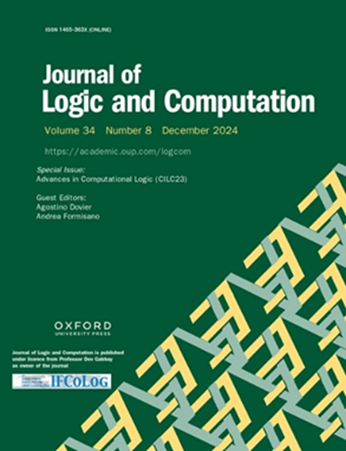
We estimate a period of 6-9 months for final acceptance after the congress is celebrated. The papers must satisfy the following conditions:
- They should not have been published previously
- The expanded and revised version needs an overall similarity score lower than 40% or individual similarity score lower than 10%
- The final acceptance is the Editor-in-Chief’s decision
- Papers must be presented in Journal template
- The content of the contribution must be under the scope of ITOMAD – IWANN topics
Organizers
Dr. Esteban Jove is an assistant professor in Systems Engineering and Automatics at the Department of Industrial Engineering of the University of A Coruña (UDC). His main research lines were initially focused on hybrid intelligent systems to model non-linear systems using artificial intelligence techniques combined with clustering methods. This proposal is successfully applied to predict a wide range of industrial and biological systems, among others. Then, his research continued with a new research line dealing with anomaly detection using one-class techniques and projectionist methods in industrial processes and cybersecurity systems.
Dr. Paulo Novais is a Full Professor of Computer Science at the Department of Informatics, the School of Engineering, the University of Minho (Portugal) and a researcher at the ALGORITMI Centre in which he is the leader of the research group ISLab – Synthetic Intelligence lab, and the coordinator of the research line Computer Science and Technology (CST). He is the coordinator of LASI (Intelligent Systems Associate Laboratory), director of the PhD Program in Informatics , and co-founder and deputy director of the Master in Law and Informatics program at the University of Minho. He started his career developing scientific research in the field of Intelligent Systems/Artificial Intelligence (AI), namely in Knowledge Representation and Reasoning, Machine Learning and Multi-Agent Systems. In recent years, his interest was absorbed by the different, yet closely related, concepts of Ambient Intelligence/Ambient Assisted Living, Conflict Resolution, Behavioural Analysis, Intelligent Tutors and the incorporation of AI methods and techniques in these fields. His main research aim is to make systems a little smarter, intelligent and also reliable.
Dr. José Luis Calvo Rolle is a full professor in Systems Engineering and Automatics at the Department of Industrial Engineering of the University of A Coruña (UDC). He is a permanent researcher at the Center for Research in Information and Communication Technologies (CITIC) of the UDC. He is the coordinator of the research group Cybernetics Science and Technology, recognized as a Group with Growth Potential (GPC) by the Xunta de Galicia, and director of the Environmental Radioactivity Laboratory of the UDC. His main lines of research focus on applying intelligent techniques to different fields. In the last decade, he has worked, especially in industrial applications in the fields of biomedicine and energy. He has also developed applications based on soft computing for decision-making systems and machine learning techniques for pattern recognition and anomaly detection. Currently, his research is focused on complex system modeling, digital twin development, fault and anomaly detection, and cybersecurity, in most cases, with the goal of system optimization and control.
SS03: Advances in Machine Learning for Photovoltaic System Optimization and Control in Modern Energy Grids
Peter Glösekötter
FH Münster, Germany
Joseph Moerschell
Haute École Spécialisée de Suisse Occidentale, Switzerland
Ignacio Rojas
Universidad de Granada, Spain
Tilman Sanders
FH Münster, Germany
Markus Gregor
FH Münster, Germany
Sarah Trinschek
FH Münster, Germany
Catalin Stoean
University of Craiova, Romania
Ruxandra Stoean
University of Craiova, Romania
Abstract
With the increasing integration of renewable energy sources like photovoltaics (PV) into modern energy systems, achieving grid efficiency, while maintaining stability, have become complex challenges, especially due to the variable nature of PV power generation. Machine learning (ML) provides promising solutions for forecasting, monitoring, and optimizing energy flow and control to maximize PV utilization, but still ensuring grid stability. This session aims to bring together researchers and practitioners to discuss emerging ML techniques specifically designed for optimizing photovoltaic systems and sensors in the context of modern energy grids.
Topics of interest include (but are not limited to):
- PV production forecasting using time series analysis
- Sky-camera image processing
- Estimation of grid-connected storage state through ML
- Sensor placement optimization through machine learning
- Fault detection and stability analysis in power grids using ML
- Optimizing power systems through metaheuristics
- Explainable AI models for energy system management
- End-to-end ML pipelines for PV fault detection and maintenance planning
SS04: New and future advances in BCI-based Spellers
Ivan Volosyak
Rhine-Waal University of Applied Sciences, Germany
Ricardo Ron Angevín
University of Málaga, Spain
Roberto Hornero
University of Valladolid, Spain
Abstract
A Brain-computer Interface (BCI) is based on the analysis of brain activity to provide a non-muscular channel for sending messages and commands to the external devices. A BCI emerged few decades ago as a new communication channel allowing subjects with severe neuromuscular disorders, who may be completely paralyzed or locked-in, to communicate and to interact with the outer world. Modern BCI technology has the potential of replacing, enhancing, and improving human interaction with the surroundings/environment, as well as enhancing digital life. Nevertheless, communication remains predominantly the main application area of modern BCIs during last years.
The main goal of this special session is to show the last research advances in BCI-based speller applications, as well as innovative signal processing algorithms, training techniques or paradigms that make these advances possible. The BCI special session is a traditional special session in IWANN conference, allowing different researchers in the BCI field to meet every two years.
Organizers
Dr. Ivan Volosyak received the Diploma in the field of automation and control of technical systems from the Dnepropetrovsk State University, Dnepropetrovsk, Ukraine, in 1998, and the Ph.D. degree in electrical engineering from the University of Bremen, Bremen, Germany, in 2005. He is currently a Professor for Biomedical Engineering at the Rhine-Waal University of Applied Sciences, Kleve, Germany. Previously, he was a Postdoctoral Research Fellow at the Institute of Automation, University of Bremen, and Project Manager of several national and the European Union projects carried out at the University of Bremen, Germany. From 2005 to 2008, he has held visiting positions at the Institute for Knowledge Discovery, Graz University of Technology, Austria, and at the Centre for Rehabilitation Engineering, Glasgow University, U.K. His research interests include brain-computer interfacing, signal processing, digital image processing, service robotics, and assistive technology with the primary focus on applications in spinal cord injury rehabilitation.
Dr. Ricardo Ron-Angevin received the Engineer of Telecommunication and Ph.D. degrees from the University de Malaga, Spain, in 1994 and 2005, respectively. In 1995, he joined the Escuela Tecnica Superior de Ingenieros de Telecomunicacion of Malaga, where he is a Full Professor with the Electronic Technology Department. He is a member of DIANA research group, Manager and Coordinator of the UMA-BCI group of the University of Málaga and Project Manager of several national projects. His research interests include the design of brain-computer interfaces and assistive technology.
Dr. Roberto Hornero is Full Professor in the Department of Signal Theory and Communications at University of Valladolid (Spain) and Director of the Biomedical Engineering Group at the University of Valladolid (GIB-UVa), whose research interests are connected with the field of Big Data in biomedical signals and medical images. He has opened different research lines in the field of biomedical signal processing: automatic processing of pulse oximetry and overnight polysomnography signals to help in the diagnosis of obstructive sleep apnea, EEG and MEG analysis to help in the diagnosis of neurodegenerative diseases, retinal image analysis to automatically detect lesions associated with Diabetic Retinopathy, and the development of Brain Computer Interface systems to improve the quality of life of disabled people. He is Fellow of the European Alliance of Medical and Biological Engineering and Science (EAMBES), Senior Member of IEEE Society for Engineering in Medicine and Biology (EMBS) and Vice-President of the Spanish Biomedical Engineering Society (SEIB).
SS05: Protecting IoT assets by means of AI
Jaime Andrés Rincón
University of Burgos, Spain
Daniel Urda
University of Burgos, Spain
Krzysztof Walkowiak
Wrocław University of Science and Technology, Poland
Álvaro Herrero
University of Burgos, Spain
Dominik Olszewski
Warsaw University of Technology, Poland
Nuno Alberto Ferreira Lopes
Polytechnic Institute of Cávado and Ave, Portugal
Abstract
The rapid convergence of disruptive technologies such as the Internet of Things (IoT), Edge Computing, Artificial Intelligence (AI), Federated Learning, Cybersecurity, and Robotics is transforming organizations and reshaping the landscape of digital innovation. As interconnected systems become ubiquitous, they generate immense data, demand real-time processing, and require robust security frameworks to ensure privacy and resilience.
This Special Session will serve as a platform to explore advances at the intersection of AI and IoT, where breakthrough technologies are being deployed on the edge, safeguarding sensitive data through federated approaches, and pushing the boundaries of AI in real-time and mission-critical applications that may involve cyber-physical systems. More precisely, the contribution of Machine Learning in general and Artificial Neural Networks in particular to this field will be explored.
Session chairs invite researchers, practitioners, and industry leaders to share insights and discuss challenges, best practices, and recent innovations. Session topics include but are not limited to:
- IoT-enabled data collection and processing for real-time smart decision-making.
- Edge AI solutions for optimized on-device protection.
- Federated learning as a framework for distributed and privacy-preserving model training.
- Advanced cybersecurity strategies for safeguarding connected devices.
- Adversarial machine learning for robust and trustworthy AI-based cybersecurity solutions Video and Image Processing
Through these discussions, we aim to foster collaboration and inspire new approaches to harnessing data, delivering intelligent automation, and securing next-generation connected systems.
By bringing together experts across these fields, we aim to deepen our understanding of how these technologies can be integrated and advanced to drive the future of smart, secure, and autonomous systems. This session will serve as a bridge between cutting-edge research and real-world applications, inspiring a collaborative vision for the future of interconnected and intelligent systems.
SS06: Explainable and Interpretable Machine Learning (xAI) with a focus on applications
Alfredo Vellido
Universitat Politècnica de Catalunya, Spain
Carlos Cano Domingo
Universitat Politècnica de Catalunya, Spain
Abstract
As the implementation and use of machine learning (ML) systems continues to gain significance in contemporary society, the focus is swiftly shifting from purely optimizing model performance towards building models that are both understandable and interpretable. This new emphasis stems from a growing need for applications that not only solve complex problems with high accuracy, but also provide clear, transparent insights into their decision-making processes for a range of end-users and stakeholders. In Europe, this has to be understood also in the context of new regulations such as the Artificial Intelligence Act, with its risk-related model transparency requirements. As a result, there is a surge of interest in techniques and methodologies that enable model explainability and interpretability, paving the way for more trustworthy and user-friendly AI solutions.
The aim of this special session is to gather researchers working on Explainable AI (xAI) in ML, placing a strong emphasis on the practical applications of this framework. Its primary goal is to present innovative methods that make ML models more interpretable, transparent, and trustworthy, while preserving their performance, but we invite contributions that go beyond theory, showcasing tangible real-world implementations in different application scenarios. By centering on application-driven insights, this session seeks to bridge the gap between foundational research and operational solutions, ultimately aiming to steer the ML community toward more responsible and societally beneficial AI technologies.
We are seeking contributions that address practical applications, presenting innovative approaches and technological xAI advancements. Topics of interest include, but are not limited to:
- Explainable methods in medicine and healthcare
- Business and public governance applications of xAI
- Explainable biomedical knowledge discovery with ML
- xAI in agriculture, forestry and environmental applications
- xAI and human-computer interaction
- xAI methods for linguistics & machine translation
- Explainability in decision-support systems
- Best practices for presenting model explanations to non-technical stakeholders
- Auto-encoders & explainability of latent spaces
- Causal inference & explanations
- Post-hoc methods for explainability
- Reinforcement learning for enhancing xAI systems
- xAI for Deep Learning methods
Organizers
Dr. Alfredo Vellido is a Full Professor on AI at Universitat Politècnica de Catalunya (UPC). He is principal Investigator in the SGR Intelligent Data Science and Artificial Intelligence -IDEAI-UPC- Research Center, of which he is coordinator of the Health thematic area. Chair of the IEEE CIS Explainable Machine Learning (EXML) Task Force and member of the Ethical, Legal, Social, Environmental and Human Dimensions of AI/CI (SHIELD) Technical Committee. Founding member of the Spanish Sociedad de Inteligencia Artificial en Biomedicina (IABiomed); member of CIBER-BBN and XarTec Salut Research Networks.
Dr. Carlos Cano Domingo is an Associate Professor at the Universitat Politècnica de Catalunya (UPC) and a Research Associate at the Barcelona Supercomputing Center. His research focuses on developing hybrid deep learning systems tailored to real-world challenges, with a particular emphasis on renewable energy applications—specifically battery degradation modeling and grid-level energy optimization. In recent years, his pursuit of reliable, trustworthy solutions has led him to deepen his expertise in various aspects of Explainable AI (xAI).
SS07: LLMs and Machine Learning for Industry 4.0. A Use Case in Digital Transformation
Francisco de Arriba Pérez
University of Vigo, Spain
Abstract
Industry 4.0, combined with Machine Learning, sensorization, and new generative AI tools, is revolutionizing process automation and optimization, giving way to Industry 5.0. The inclusion of language models (LLMs) has transformed human-machine interaction in highly sensorized environments. These models improve decision-making, anomaly detection, predictive maintenance, and process optimization. These models facilitate the automation of technical documentation, reporting, and real-time assistance for workers within the industrial ecosystem.
Objectives:
- Optimized LLMs for worker Key Performance Indicators (KPIs) detection
- Exploring how LLMs can analyze KPIs
- LLMs in the context of industry 4.0: relevant use cases
- LLMs for the digital transformation of industrial processes, enhancing automation and decision-making
- Predictive maintenance, quality control, documentation automation, and operator assistance using LLMs
- LLMs for predictive maintenance, ensuring product quality, and assisting human operators in industrial environments
- Challenges and opportunities for LLMs in security, privacy, and adaptation to specific industrial environments
- Risks and benefits of LLMs, particularly regarding data security, privacy concerns, and model customization for industry-specific needs
Organizer
Dr. Francisco de Arriba Pérez‘s primary research focuses on integrating Machine Learning (ML) and Natural Language Processing (NLP) techniques. He is the author of 30 open-access publications in JCR and SJR-indexed journals. His research work has accumulated 600 citations, with an h-index of 12. Additionally, he has participated in 22 conferences, is a member of 4 international scientific committees, and is a guest editor for 3 special issues. In recent years, he has expanded his work into applying LLMs in multidisciplinary environments. Specifically, he has participated in 21 competitively funded projects, including 7 European projects, and has successfully managed over 24 industry-collaborative projects across the legal, financial, and industrial sectors. Currently, he serves as the principal investigator for the PERTE project (€95,000.00), focusing on predictive maintenance in the agriculture sector. Recently, he has explored the use of LLMs and ML for worker KPI detection in industrial environments, failure detection, and predictive maintenance.
SS08: Innovations in Embedded Lightweight Machine Learning Models: Enabling TinyML at the Edge for Practical Applications
Absalom El-Shamir Ezugwu
North-West University, South Africa
Rytis Paškauskas
The Abdus Salam International Centre for Theoretical Physics (ICTP), Trieste, Italy
Diego Oliva
Universidad de Guadalajara, Mexico
Partha Pratim Ray
Sikkim University, India
Wen-Sheng Zhao
Hangzhou Dianzi University, China
Seyed Jalaleddin Mousavirad
Mid Sweden University, Sweden
Abstract
The rapid growth of machine learning and artificial intelligence has led to groundbreaking solutions across various domains. However, deploying these models on resource-constrained edge devices such as microcontrollers, sensors, and embedded systems remains a significant challenge. TinyML, a field at the intersection of machine learning and embedded systems, focuses on developing lightweight, efficient, and optimized ML models for such devices, enabling real-time decision-making while conserving power and memory resources.
This workshop will explore practical advancements, techniques, and applications of TinyML in addressing real-world challenges. Topics will cover the full spectrum of TinyML development, from model optimization techniques and hardware advancements to impactful case studies in diverse fields like smart agriculture, healthcare, environmental monitoring, and industrial IoT.
The special session aims to create a valuable platform for researchers and industry partners to present and discuss cutting-edge advancements, emerging trends, and innovative solutions in the field of TinyML.
This special session will include (but is not limited to) the following topics:
- Model Optimization for TinyML
- Quantization, pruning, and compression of ML models for edge deployment.
- Lightweight neural network design and Neural Architecture Search (NAS).
- Transfer learning and model distillation for TinyML.
- Hardware and Software Integration
- Advances in hardware platforms (microcontrollers, accelerators, etc.) for TinyML.
- Software frameworks and tools: TensorFlow Lite Micro, Edge Impulse, and PyTorch Mobile.
- Benchmarking TinyML performance on resource-constrained devices.
- Energy Efficiency and Sustainability
- Low-power AI techniques for energy-constrained devices.
- Renewable energy integration into TinyML-powered IoT systems.
- Power-aware ML model optimization.
- Real-World Applications of TinyML
- Smart Agriculture: Precision farming, pest detection, and soil health monitoring.
- Healthcare: Remote patient monitoring, wearable medical devices, and diagnostics.
- Environmental Monitoring: Edge-based climate change sensors, pollution detection, and wildlife tracking.
- Industrial IoT: Predictive maintenance, fault detection, and process automation.
Organizers
Prof. Absalom El-Shamir Ezugwu earned his B.Sc. in mathematics with computer science, followed by M.Sc. and Ph.D. degrees in computer science from Ahmadu Bello University Zaria, Nigeria. He is a full Professor of Computer Science within the Unit for Data Science and Computing at North-West University Potchefstroom, South Africa. Absalom has successfully mentored and graduated numerous PhD and MSc students in computer science, achieving a notable record of high-impact publications in respected journals and conferences. He is also a visiting research Professor with the School of Computer Science and Applied Mathematics, University of the Witwatersrand, Johannesburg, South Africa. His research focuses on artificial intelligence, machine learning, deep learning, evolutionary computation, swarm intelligence, and nature-inspired algorithm design, with a specific emphasis on computational intelligence and metaheuristic solutions for real-world global optimization problems.
Dr. Rytis Paškauskas is a researcher at the Abdus Salam International Centre for Theoretical Physics (ICTP) in Trieste, Italy, where he works on embedded machine-learning projects and IoT applications. He received his PhD degree in physics from Georgia Institute of Technology (USA) and has since worked at internationally renowned institutions, such as ELETTRA Sincrotrone (Italy), CNR Pisa (Italy), CNRS Lyon (France), and the National Institute for Theoretical Physics in Stellenbosch (South Africa).
Dr. Diego Oliva received a B.S. degree in Electronics and Computer Engineering from the Industrial Technical Education Center (CETI) of Guadalajara, Mexico, in 2007 and an M.Sc. degree in Electronic Engineering and Computer Sciences from the University of Guadalajara, Mexico, in 2010. He obtained a Ph. D. in Informatics in 2015 from the Universidad Complutense de Madrid. Currently, he is an Associate Professor at the University of Guadalajara in Mexico. He is a member of the Mexican National Research System (SNII), a Senior member of the IEEE, and a member of the Mexican Academy of Computer Sciences (AMEXCOMP). He is an editor of multiple journals including Swarm and Evolutionary Computation; he also actively participates and organizes special tracks in conferences such as Evostar, CEC, and WCCI. His research interests include evolutionary and swarm algorithms, hybridization of evolutionary and swarm algorithms, and computational intelligence.
Dr. Partha Pratim Ray is an accomplished academic and researcher with over 12 years of teaching and research experience in the Department of Computer Applications at Sikkim University, India. Recognized among the World’s Top 2% Scientists by Stanford University multiple times, Dr. Ray has made significant contributions to the fields of the Internet of Things (IoT), Edge Computing, Pervasive Biomedical Informatics, and Pervasive Generative AI. He holds an M.Tech in Embedded Systems and is pursuing a PhD in “Enabling Large Language Models on Resource-Constrained Edge” at Sikkim University. Dr. Ray has published 108 SCI-indexed journal articles and multiple Scopus-indexed works, alongside several books and book chapters with leading publishers such as Elsevier and Springer. He has been elevated to Fellow, IETE, and is a Senior Member of IEEE and an active member of ACM. His research projects focus on deploying IoT-based solutions and lightweight communication frameworks for resource-constrained environments. Dr. Ray has also guided numerous master’s theses and mentored projects in cutting-edge areas like Blockchain, IoT-based healthcare systems, and edge computing. Committed to advancing technology and fostering innovation, Dr. Ray has received multiple awards, including the IEI Young Engineers Award and Emerald Literati Awards.
Prof. Wen-Sheng Zhao received a B.E. degree from the Harbin Institute of Technology, Harbin, China, in 2008, and a Ph.D. degree from Zhejiang University, Hangzhou, China, in 2013. He is currently a full professor at Hangzhou Dianzi University, Hangzhou. He has published three books, five chapters, and more than 150 SCI papers including more than 90 IEEE papers. His current research interests include modeling and simulation of integrated microsystems, and design of electromagnetic devices. Dr. Zhao is a senior member of IEEE and Chinese Institute of Electronics and serves as associate editor/editorial member/guest editor for several journals including Microelectronics Journal, IEEE Access, Chinese Journal of Electronics, and Micromachines.
Dr. Seyed Jalaleddin Mousavirad is currently a Postdoctoral researcher at Mid Sweden University, located in Sundsvall, Sweden. Previously, he served as a Research Fellow at the University of Beira Interior in Portugal, where he was actively involved in the European project called GreenStamp. Jalal obtained his PhD in Computer Engineering, specializing in Artificial Intelligence, from the University of Kashan in Iran. Following his doctoral studies, he worked at the University of Tehran (2018-2019) and Azad University (2019-2020) as an instructor. Additionally, he served as an Assistant Professor at the Faculty of Engineering at Hakim Sabzevari University in Iran. With a strong research background, Jalal has made significant contributions in the areas of pattern recognition, machine learning, image processing, and evolutionary computation. He has published six book chapters and over 100 papers in reputable academic journals and conferences. Jalal’s international research experiences also include visiting a world-class research group at Xi’an Jiaotong-Liverpool University in China He has organized several special sessions at prestigious conferences such as the IEEE CEC and EvoApplications.
SS09: Responsible Artificial Intelligence – Neural Networks at the service of the Sustainable Development Goals
Silvia García Méndez
Universidad de Vigo, Spain
Abstract
the Sustainable Development Goals (SDGs) of the UN Agenda 2030 present global challenges that require innovative and scalable solutions. However, most current applications focus on conventional solutions without taking advantage of the disruptive potential of emerging approaches such as bioinspiration and adaptive systems. Consequently, this special session explores how Artificial Neural Networks (ANNs) can be responsibly designed and applied to address issues aligned with the SDGs. The general objectives are as follows:
- Specific applications for the SDGs: case studies and innovative developments that contribute to the SDGs, such as agriculture optimization with artificial vision networks (SDG 2), ANN-assisted medical diagnosis (SDG 3), and emissions reduction using climate prediction models (SDG 13).
- Promote equity and accessibility: analyze how ANNs can be developed to be inclusive and accessible toward reducing inequalities (SDG 10). ANN proposals will be welcomed to optimize local data and infrastructure use, reducing dependence on massive architectures.
- Energy-efficient neural networks: optimization techniques that reduce the carbon footprint of ANNs and promote sustainable practices are expected. The proposal of ANN systems capable of learning in real-time in dynamic environments to prevent natural disasters (SDG 13) or health emergencies (SGD 3) will be considered.
Organizer
Dr. Silvia García Méndez received a PhD in Information and Communications Technology from the University of Vigo in 2021. Since 2018, she has led the Artificial Intelligence (AI) section at the Information Technologies Group – attlanTTic. Provided her leading role in the AI field, she was the invited speaker at The Aida Fernández Ríos Conference by the Galician Royal Academy of Sciences. She is also the Guest Editor of three Special Issues, has served on the scientific committee, and has organized many international conferences. Moreover, she has participated in 20 competitive research projects (7 European – one as PI, 9 national – one as PI, and 4 autonomic – one as PI), contributing more than 2.5 million €. She has also been involved in 28 academia-industry collaborations, contributing over 700,000 € as PI and technical manager. Furthermore, in her research career, she received exceptional recognitions: (i) the highly competitive national Vodafone Connecting for Good to Innovation in Telecommunications Award in 2017, (ii) the Provincial Youth Award – Research category by Deputación de Pontevedra in 2023, (iii) the best paper awards at the IEEE SNAMS 2024 and the International Conference on Sustainability, Technology, and Education in 2023, and (iv) the Amtega Award for the Best ICT Project with Social Benefits in 2024. Additionally, she collaborates with international research centers on developing advanced AI techniques in the United Kingdom, Portugal, Ireland, France, Egypt, and Palestine.
SS10: ANN HW-Accelerators
Mario Porrmann
Osnabrück University, Germany
Ulrich Rückert
Bielefeld University, Germany
Abstract
Artificial neural networks (ANNs) are simple models of abstract brain-like computing principles performing massively parallel computations for artificial intelligence tasks. As the performance increase of microprocessors slowed down, the demand for application-specific solutions for ANN architectures is increasing in applications like autonomous driving, cognitive robotics, cognitive edge computing, and Internet-of-Things. Many analogue, digital and mixed analogue/digital chip implementations have been proposed in the last 40 years. In nanoelectronics, the growing complexity of ultra-large-scale integration turns difficult problems (e.g., power, reliability, testing, connectivity, design complexity, design support, …) into great challenges. Because of these challenges, digital implementations are dominating today.
In this special session, recent hardware implementations for ANNs will be discussed. Nowadays, the number of chip proposals from academia and companies (from start-ups to enterprises) is heavily increasing. The focus is on ANN models such as Deep Neural Networks, Long Short-Term Memory, and Auto-Encoder Networks, which are mainly used in applications today. Their performance will be compared to ANN implementations on commercial off-the-shelf chips like multi-core chips, graphics processing units, and field-programmable gate-arrays. Based on current applications, future requirements for ANN HW accelerators will be estimated
Organizers
Dr. Mario Porrmann is professor and head of the “Computer Engineering” group at Osnabrück University, Germany, since April 2019. He graduated as “Diplom-Ingenieur” in Electrical Engineering at the University of Dortmund, Germany, in 1994. In 2001, he received a PhD in Electrical Engineering from the University of Paderborn, Germany, for his work on “Performance Evaluation of Embedded Neurocomputer Systems”. From 2010 to March 2012, he was Acting Professor of the “System and Circuit Technology” research group at the Heinz Nixdorf Institute, University of Paderborn. He then joined the research group “Cognitronics and Sensor Systems” in the Center of Excellence “Cognitive Interaction Technology” at Bielefeld University as Academic Director. Mario Porrmann’s scientific work focuses on resource-efficient computing with a special emphasis on adaptive heterogeneous architectures for embedded systems and cognitive edge computing.
Dr. Ulrich Rückert studied Computer Science (Dipl. Inf.) and received a Dr.-Ing. degree in Electrical Engineering from the University of Dortmund, Germany (1989). From 1992 to 1995 he was Associate Professor at the Technical University of Hamburg-Harburg, Germany. In 1995 he joined as a Full Professor the Heinz Nixdorf Institute at the University of Paderborn, Germany, heading the research group ‘‘System and Circuit Technology’’. Since 2009 he is Professor at Bielefeld University, Germany heading the “Cognitronics and Sensor Systems” group of the “Cluster of Excellence – Cognitive Interaction Technology”. He is working on innovative circuit design and development of nanoelectronic systems for massively parallel and resource-efficient information processing. His main research interests are bio-inspired architectures for nanotechnologies and cognitive robotics.
Early Career Researcher IWANN 2025 awards by PeerJ Publishing

As a part of a successful collaboration between IWANN 2025 and PeerJ Publishing, two awards are offered:
- Best poster
- Best presentation
The recipients must be early career researcher (PhD student or up to 4 years postdoc) who authors a full paper, attends the Conference and presents the poster or talk.
The winners will be invited to submit a substantial extension of their papers to the PeerJ Computer Science journal. If accepted, the publication(s) will have Article Processing Charges waived. PeerJ Publishing also features award winners on their blog site and interviews them regarding their research.
You are cordially invited to read the interview with Shih-Kai Hung, winner of the Early Career Researcher IWANN 2021 award, at PeerJblog.
First Call for Papers
On behalf of the Organizing Committee of the 17th International Work-Conference on Artificial Neural Networks (IWANN2023), we are pleased to invite you to participate in this event that will be held in June 2023 in Ponta Delgada (Sao Miguel, Azores Islands, Portugal). This gathering will bring people physically together again after 4 years in the one of the most beautiful Atlantic’s islands, conducive to creativity and inspiration.
This biennial meeting seeks to provide a discussion forum for scientists, engineers, educators and students about the latest discoveries and realizations in the foundations, theory, models and applications of systems inspired by nature, as well as in emerging areas related to the above items, using computational intelligence methodologies. As in previous editions, we strongly emphasize the wide range of topics comprised under the umbrella of IWANN2023 and, in particular, we focus on trending topics such as Deep Learning and Ethics in AI. It’s confirmed one tutorial about “From Deep Learning to Deep Understanding”.
We present below a non-exhaustive list of areas of interest for the congress to get a flavour of the IWANN23’ orientation:
- Mathematical and theoretical methods in computational intelligence
- Deep Learning
- Learning and adaptation
- Emulation of cognitive functions
- Bio-inspired systems and neuro-engineering
- Advanced topics in computational intelligence
- Agent based models
- Time series forecasting
- Robotics and cognitive systems
- Interactive systems and BCI
- Machine Learning for 4.0 industry solutions
- AI Health
- AI in 5G technology
- Social and Ethical aspects of AI
- General Applications of AI
The approach will be both theoretical and practical, through invited talks, tutorials, workshops, posters, presentation of demos and functional prototypes. Besides, we offer the possibility to carry out a limited number of virtual presentations for those who want to participate but have serious difficulties to travel. The proceedings will include all the presented communications to the conference. As in previous editions of IWANN, we are arranging the publication of the proceedings with Springer-Verlag as Lecture Notes in Computer Science (LNCS) series, and the books will be available shortly after the Congress in order allow the authors to incorporate suggestions and improvements from the presentations. It is also foreseen the publication of extended versions of selected papers in special issues of several prestigious journals. Previous congresses led to special issues of Neural Computing and Applications, Plos One and Neural Processing Letters. We are working to have at least the same collaborations.
International Steering Committee
| Davide Anguita | Università degli Studi di Genova | Italia |
| Andreu Catalá | Universitat Politècnica de Catalunya | Spain |
| Marie Cottrell | Université Paris 1 Panthéon-Sorbonne | France |
| Gonzalo Joya | Universidad de Málaga | Spain |
| Kurosh Madani | Université Paris-Est Créteil | France |
| Madalina Olteanu | Université Paris Dauphine – PSL | France |
| Ignacio Rojas | Universidad de Granada | Spain |
| Ulrich Rückert | Universität Bielefeld | Germany |
Technical Assistant Committee
| Miguel Atencia | Universidad de Málaga |
| Francisco García-Lagos | Universidad de Málaga |
| Luis Javier Herrera | Universidad de Granada |
| Fernando Rojas | Universidad de Granada |